

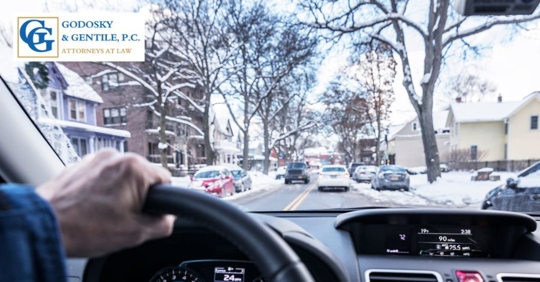
Winter in New York brings a unique kind of beauty—and a unique set of driving challenges. From sudden snow squalls to treacherous black ice, navigating wintry roads demands extra vigilance and preparation. As residents and drivers, you should understand the unpredictable nature of our winters. Remember that your safety on the road is paramount.
Prepare Your Vehicle for the Season Ahead
Before the first snowflake even touches the ground, take proactive steps to winterize your car. This isn't just about convenience; it's about crucial safety.
Tires are Your Lifeline: Check your tire pressure regularly, as cold weather causes pressure to drop. Consider investing in winter tires for superior grip on icy and snowy surfaces. The difference they make can be life-saving.
Fluid Checks: Ensure your windshield wiper fluid reservoir is full with a winter-grade solution to prevent freezing. Check your antifreeze levels and your oil.
Battery Health: Cold weather can be brutal on car batteries. Have your battery tested to ensure it's in good condition. You don't want to be stranded in freezing temperatures.
Wiper Blades: Replace old, worn-out wiper blades. Good visibility is non-negotiable in winter driving conditions.
Emergency Kit: Assemble an emergency kit to keep in your trunk. This should include jumper cables, a flashlight with extra batteries, blankets, a first-aid kit, a small shovel, non-perishable food, and a fully charged cell phone.
Drive Defensively and Deliberately
Winter driving requires a complete shift in mindset. Aggressive driving has no place on icy roads.
Slow Down: This cannot be stressed enough. Posted speed limits are for ideal conditions, not for snow or ice. Reduce your speed significantly and allow more time to reach your destination.
Increase Following Distance: On slick roads, your stopping distance dramatically increases. Maintain a much greater distance between your vehicle and the one in front of you—at least 8 to 10 seconds.
Avoid Sudden Movements: Smooth acceleration, gentle braking, and gradual turns are key. Jerking the wheel or stomping on the brakes can easily lead to a skid.
Watch for Black Ice: This invisible killer is often found on bridges, overpasses, and shaded areas. It looks like wet pavement, but it is incredibly slippery. If you hit black ice, remain calm, ease off the accelerator, and steer gently in the direction you want to go. Do not brake suddenly.
Be Aware of Snow Plows: Give snow plows plenty of space. They often create whiteouts behind them, and their drivers have limited visibility.
What to Do in Case of an Accident
Even with the best precautions, accidents can happen. Knowing what to do in the immediate aftermath can make a significant difference.
Safety First: If possible, move your vehicle to a safe location away from traffic. Turn on your hazard lights.
Check for Injuries: Assess yourself and any passengers for injuries. If anyone is injured, call 911 immediately.
Call the Police: Always call the police, even if the accident seems minor. A police report can be crucial for insurance claims and legal proceedings.
Exchange Information: Get the other driver's name, contact information, insurance details, and license plate number. Do not admit fault.
Document the Scene: If it's safe to do so, take photos of the vehicles, the accident scene, road conditions, and any visible injuries.
Seek Medical Attention: Even if you feel fine, it's wise to get checked by a medical professional. Some injuries may not be immediately apparent.
New York City Car Accident Lawyers Ready to Help
Navigating the complexities of a car accident, especially in challenging winter conditions, can be overwhelming. You don't have to face it alone. If you or a loved one has been involved in a winter car accident in New York, understanding your legal rights is essential.
For experienced and compassionate legal guidance, don't hesitate to contact Godosky & Gentile. Our dedicated team is ready to help you every step of the way. Reach out for a consultation today at (212) 742-9706.