
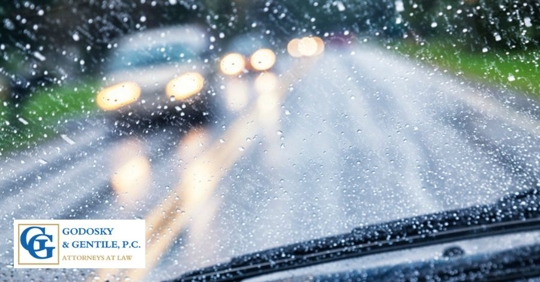
As New Yorkers, we are no strangers to tough driving. We survive the white-out blizzards of January and the soul-crushing gridlock of the BQE. But when the first signs of spring arrive, many drivers let their guard down. The snow is gone, the sun is out, and the "showers" seem harmless—until they aren't.
In New York, spring rain isn’t just a nuisance for your commute; it is a major safety hazard. Understanding why wet roads are often more dangerous than snowy ones can be the difference between getting home safely and having a devastating car accident.
The Science of "Slick": Why Early Rain is Lethal
You might think the road is grippiest after a long dry spell, but the opposite is true. During dry periods, engine oil, grease, and rubber particles accumulate on New York’s asphalt. When the first spring rains hit, these substances float to the surface, creating a thin, invisible film that is nearly as slippery as ice.
This "slick period" is most dangerous during the first 10 to 15 minutes of a rainstorm. If you see the clouds breaking, it’s time to double your following distance immediately.
The Hidden Danger of Hydroplaning
Hydroplaning occurs when a layer of water builds up between your tires and the road surface, causing your vehicle to lose traction and stop responding to steering. It doesn’t take a massive flood to trigger this; in fact, hydroplaning can happen at speeds as low as 35 mph in just a fraction of an inch of water.
New York’s infrastructure often complicates this. After a harsh winter, our roads are riddled with potholes and uneven pavement. These dips collect "standing water," creating deep puddles that can pull your car out of its lane in a heartbeat.
How to Protect Yourself on Wet NY Roads
To stay safe during a spring downpour, follow these non-negotiable rules:
- Kill the Cruise Control: Never use cruise control on wet roads. You need to be able to feel the car’s traction and react instantly if you begin to slide.
- Follow the Leader: Drive in the tracks of the vehicle in front of you. Their tires have already displaced some of the standing water, giving you a slightly drier path.
- Steer, Don't Slam: If you feel the steering wheel go "light" (a sign of hydroplaning), gently ease off the gas. Do not slam on the brakes, as this can lock your wheels and send you into a spin.
When "Bad Luck" is Actually Negligence
We understand that accidents happen, but "weather" is rarely the sole cause of a crash. Often, a collision occurs because another driver failed to slow down for the conditions, was driving on bald tires, or was distracted by their phone during a storm.
If you or a loved one has been injured in a weather-related accident, you shouldn't have to carry the burden alone. At Godosky & Gentile, we have decades of experience holding negligent drivers accountable and securing the compensation our clients need to recover. You deserve a legal team that is as resilient as New York itself.
Contact us today at (212) 742-9706 for a free consultation.